
Top 10 Technology and Adaptive Courses to Upskill Yourself
Digitalisation Cannot Truly Replace You
The growing pace of digitalization means that habitualising learning will be a mainstay. According to NTUC LearningHub’s latest report on Emerging Jobs and Skills, many workers have turned to upskilling opportunities outside the workplace due to concerns over the effects of digitalisation.
Yet, while the use of technology is important in achieving business outcomes, human capital remains at the heart of digitalisation. Human-centric skills are as pertinent as ever amidst the wave of digital transformation.
While automation may perform repetitive technical duties efficiently without error, they are limited when it comes to complex tasks. Employees will need to take on higher-value jobs to add value to business processes where technologies fall short.
Acquiring New Skills as a Routine to Stay Employable
Many employers are now looking to hire candidates with a broader set of skills to take on hybrid roles, according to our Emerging Jobs and Skills report. What this means is that you should be constantly on the lookout for the latest employer-coveted skillsets in which to upskill yourself to boost your value to employers.
Currently, the job roles in-demand like data analysis, data visualisation and strategy & operations all require both technology and adaptive skills. Besides technology skills like cybersecurity and digital marketing, acquiring skills in areas like communications and problem-solving will make you much more adaptable, help you analyse situations critically and resolve them creatively.
Aligned with current in-demand skills and job trends, these top LXP – LHUB GO courses is a great place to start your learning journey.
Many are upskilling to boost their future employability and digital resilience. You definitely do not want to be missing out!
Top Technology Courses
| Microsoft Excel provides you with a range of advanced functions that greatly extend its capabilities. Lean powerful analysis, forecasting, automation, and presentation techniques that offer wide-ranging business benefits in your work. Course Title: Advanced Microsoft Excel 2019 Course Provider: Filtered Format: Course |
|
|
| Delve into the world of coding, starting off with Python programming. You will learn simple, versatile, and highly readable code that you can execute on a wide variety of systems quickly and easily. Course Title: Python Programming for Beginners Course Provider: Stone River eLearning Format: Course |
| Everyone in the workplace has a role to play in information security. You can take the first step in reducing the risk of data breaches by learning what they are and being aware of how they typically occur, so that appropriate measures can be taken to prevent them from taking place in the future. Course Title: Introduction to Cybersecurity Course Provider: GRC Solutions Format: Interactive |
|
|
| The technology behind cryptocurrency is known as blockchain, and it has created fresh opportunities for businesses and financial institutions around the world. You will learn about how blockchain works, why it's gaining popularity, and how it's being used in organisations today. Course Title: What is Blockchain Course Provider: Enspark Format: Interactive |
| Learn an overview of digital marketing and what it encompasses. You will gain an understanding of digital marketing channels and partake in SWOT and PESTEL analysis. Course Title: Introduction to Digital Marketing Course Provider: Left Bank Format: Interactive |
|





Top Adaptive Courses
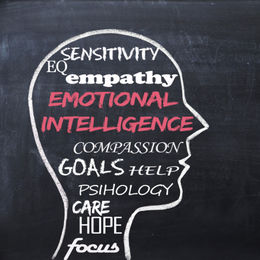
| In this course, you will investigate self-management (or self-regulation), which is the second of three key areas of personal skills that make up Emotional Intelligence. Learn how you would control and manage yourself and your emotions, inner resources, and abilities Course Title: EQ and Self-management Course Provider: Interaction Training Format: Course |
|
|
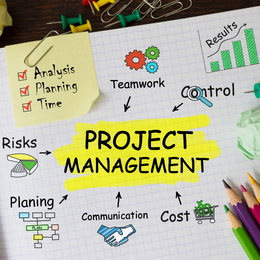
| Now, you can add "project manager" to your skillset and see your career success grow and your professional satisfaction reach new heights - while your stress levels fade away. Learn how to ensure better quality, lower costs, and shorter turnarounds with this course. Course Title: Project Management Essentials Course Provider: SkillPath Format: Course |
| You can now master the five simple steps in design thinking. Learn to implement it successfully in your workplace and reap its benefits. Course Title: Why Design Thinking? Course Provider: Vado Format: Interactive |
|
|
| You will learn the basics of how and why digital notification can create stress. You'll identify your stressors, learn how to set healthy tech boundaries, clear your inbox and declutter your online life. We'll look at the importance of a 'digital detox' and how you can do it with ease. Course Title: Managing Digital Stress Course Provider: The Expert Academy Format: Interactive |
| You will learn key aspects of communication and how to make it effective. Build an understanding of how to make it effective. Build an understanding of how people modulate their language and interpret their differences in tone. Course Title: 10 Minutes Communication Skills Course Provider: Learning Planet Format: Course |
|



These courses are specially designed and critically curated to help you acquire the technological and adaptive skills you will need to thrive in the face of digitalisation. Gain access to over 75,000 courses on LXP and develop new competencies to match the pace of technological change.
To learn more or subscribe to LXP, visit https://www.ntuclearninghub.com/lxp
You Might Like This
Career Learning Hub for Navigating Mid-Career Transitions
Career paths rarely remain fixed over time. As industries evolve and job roles change, many professionals reach a point where they need to reassess their direction. Mid-career transitions may occur when employees move into leadership positions, shift to a different function, or adapt to new industry demands. A career learning hub provides structured support for professionals navigating these transitions. By combining online learning, guided development pathways, and skills mapping tools, a skill learning hub allows employees to evaluate their current capabilities and identify new opportunities. Instead of approaching career change without direction, individuals can follow structured pathways that support meaningful professional growth. Supporting career mobility also benefits organisations. When employees have access to development resources and clear learning opportunities, they remain engaged and better prepared to contribute to evolving business priorities. How a Career Learning Hub Supports Workforce Skills Development Modern organisations operate in environments where skill requirements change quickly. A career learning hub provides a structured framework that helps employees continuously build relevant capabilities while aligning development with organisational goals. A skills-focused learning platform centralises training resources, making it easier for employees to access learning materials that support workforce skills development. Instead of relying on disconnected training programmes, individuals can follow structured learning experiences designed for long term capability building. Key ways a skill learning hub supports professional growth include: Clear learning visibility: Employees gain a better understanding of the competencies required for future roles. This improves alignment with employee career development goals. Continuous access to learning resources: Flexible online learning programmes allow employees to build new knowledge without interrupting their daily work responsibilities. Structured development pathways: Learning platforms organise content into professional development pathways that guide employees toward meaningful career progression. Scalable capability building: Organisations can support large-scale upskilling and reskilling initiatives while maintaining consistent learning standards across teams. When employees clearly understand how learning supports career progression, they become more motivated to invest in developing new capabilities. This naturally leads to a closer examination of how existing skills connect to future opportunities. Skills Mapping Helps Employees Reposition Their Careers Mid career transitions often require professionals to reassess how their experience aligns with evolving industry demands. Skills mapping provides a structured way to evaluate existing competencies while identifying areas for development. A career learning hub frequently includes tools that analyse current skill sets and connect employees with relevant learning resources. This approach helps individuals recognise both their strengths and the competencies required for new roles. Effective skills mapping typically includes several elements: Competency assessment: Structured evaluations help employees understand their current capabilities within a competency-based learning framework. Identification of transferable skills: Many professionals possess abilities that apply across departments or industries. Skills mapping helps uncover these opportunities. Targeted development recommendations: Employees can access relevant online courses that support upskilling and reskilling based on identified skill gaps. Career pathway visibility: Employees can see how new capabilities contribute to long term professional development pathways. With a clearer understanding of how their capabilities align with potential roles, employees gain greater confidence when planning career transitions. Structured development pathways then provide practical direction for building the skills required for future opportunities. Guided Learning Pathways Enable Structured Career Progression Once skill gaps are identified, employees benefit from a clear roadmap that guides their development. A career learning hub allows organisations to design structured learning pathways that support continuous professional growth. These pathways combine curated online courses, recommended learning modules, and development milestones that help employees progress through different stages of their careers. Important features of guided learning pathways include: Progressive learning stages: Development programmes are divided into manageable phases that gradually build expertise. Role aligned learning tracks: Employees can pursue pathways connected to specific roles or professional goals while continuing their employee career development journey. Centralised learning resources: A skill learning hub integrates multiple online learning materials within a single accessible platform. Skills progress monitoring: A skills-focused learning platform allows employees and managers to track development progress over time. Structured pathways provide clarity during career transitions. When individuals understand how each stage of learning contributes to their professional growth, development becomes more achievable and purposeful. Engaging Digital Learning Experiences: Improve Learning Adoption The effectiveness of professional development initiatives depends heavily on employee engagement. Learning platforms must therefore provide formats that encourage consistent participation and sustained motivation. A career learning hub incorporates modern digital tools that create engaging digital learning experiences while supporting flexible participation. Important engagement features include: Gamification in learning: Interactive challenges, progress milestones, and achievement badges motivate learners to remain active within online learning programmes. Flexible learning schedules: Employees can complete online courses according to their availability, making learning easier to integrate into daily routines. Interactive learning formats: Multimedia modules and scenario-based exercises improve knowledge retention within skills-focused learning platforms. Self directed exploration: A skill learning hub enables employees to explore topics aligned with their interests and career ambitions. When learning experiences remain accessible and engaging, employees are more likely to maintain long term development habits. This sustained engagement strengthens overall workforce capability. Why Supporting Mid-Career Transitions Strengthens Workforce Resilience Organisations that support career mobility often build stronger and more adaptable workforces. A career learning hub provides the infrastructure needed to help employees navigate career changes while continuing to contribute effectively to organisational goals. Supporting mid-career development creates several long term benefits: Improved organisational adaptability: Continuous workforce skills development allows employees to respond to evolving technologies and industry demands. Stronger internal mobility: Structured professional development pathways make it easier for employees to pursue new roles within the organisation. Greater employee engagement: Individuals who receive support for employee career development often demonstrate stronger commitment to their organisation. Sustainable talent pipelines: Ongoing upskilling and reskilling initiatives help organisations prepare employees for future leadership or specialist roles. By investing in career development, organisations strengthen their ability to adapt to change while retaining valuable talent. Frequently Asked Questions What is a career learning hub? + A career learning hub is a digital learning platform that supports employee career development through structured online learning, skills assessments, and guided professional development pathways. How does a skill learning hub support mid-career transitions? + A skill learning hub helps employees evaluate their current capabilities, access relevant online courses, and follow development pathways that support upskilling and reskilling. What is competency-based learning in professional development? + Competency-based learning focuses on developing specific capabilities required for job roles. Employees progress by demonstrating mastery of defined skills rather than simply completing training hours. Why is workforce skills development important? + Workforce skills development ensures employees remain prepared for changing technologies, evolving job responsibilities, and new industry requirements. How does gamification in learning improve engagement? + Gamification in learning introduces progress tracking, challenges, and rewards that create engaging digital learning experiences and encourage consistent participation in online learning programmes. Empower Career Growth Through Structured Learning Mid-career transitions are a natural part of professional development. Employees who receive structured guidance and access to learning resources are better equipped to adapt to new opportunities and evolving job roles. A well-designed career learning hub allows professionals to identify skill gaps, explore development pathways, and participate in flexible online learning experiences. Through structured programmes, skills mapping tools, and engaging digital learning environments, organisations can support career mobility while strengthening long term workforce capability. Discover how NTUC LearningHub can help build a future-ready workforce through its enterprise learning platform. Get in touch now and start empowering career development and organisational growth today. .faq-container { max-width: 100%; margin: 0 auto; } .faq-title { text-align: left; font-weight: 600; margin-bottom: 30px; } .faq-item { background: #fff; border-radius: 10px; margin-bottom: 10px; box-shadow: 0 4px 10px rgba(0,0,0,0.1); overflow: hidden; transition: all 0.3s ease; } .faq-question { background: #fff; border: none; width: 100%; text-align: left; padding: 18px 20px; font-size: 1rem; font-weight: 500; cursor: pointer; display: flex; align-items: center; justify-content: space-between; color: #222; transition: background 0.3s ease; } .faq-question:hover { background: #f0f0f0; } .faq-answer { max-height: 0; overflow: hidden; background: #fafafa; transition: all 0.4s ease; padding: 0 20px; line-height: 1.6; color: #555; } .faq-item.active .faq-answer { max-height: 300px; padding: 15px 20px; } .faq-icon { font-size: 20px; transition: transform 0.3s ease; } .faq-item.active .faq-icon { transform: rotate(45deg); } const faqs = document.querySelectorAll(".faq-item"); faqs.forEach((faq) => { faq.querySelector(".faq-question").addEventListener("click", () => { faqs.forEach((item) => { if (item !== faq) item.classList.remove("active"); }); faq.classList.toggle("active"); }); });
How Online Courses Support Self-Paced Learning
Professionals today are expected to continually update their skills while balancing work schedules and personal responsibilities. Traditional classroom training can make this difficult because learning must follow fixed schedules and locations. As a result, many professionals increasingly rely on online courses that allow them to learn when it fits their routine. The rise of online learning has transformed how individuals approach professional development. Instead of attending scheduled classes, learners can access digital courses at any time and progress through lessons based on their personal schedule. This flexibility allows individuals to learn new concepts without interrupting work commitments. Many online courses are structured specifically to support self-paced learning, enabling learners to review materials repeatedly, pause lessons when necessary, and focus additional time on complex topics. These features make self-paced online courses particularly effective for adult learners who need adaptable learning environments. As organisations and professionals prioritise workforce upskilling, online courses and online certifications are becoming central tools in long-term professional development strategies. Why Self-Paced Learning Is Becoming Essential for Professional Development Modern professionals must continuously update their skills while managing demanding schedules. Self-paced learning allows individuals to participate in professional online learning without disrupting work commitments. Flexible study schedules support working professionals: Learners can progress through self-paced online courses during available time rather than following fixed training schedules. Continuous learning programmes support long-term career growth: Many organisations implement continuous learning programmes to help employees remain relevant as industries evolve. Skills-based courses focus on practical workplace capabilities: Many skills-based courses teach specific competencies required for current job roles and emerging technologies. Workforce upskilling supports organisational adaptability: Businesses increasingly rely on online courses to support workforce upskilling and maintain competitive teams. As organisations prioritise continuous development, the design of online courses becomes critical for supporting flexible learning. How Online Courses Are Designed to Support Self-Paced Learning The structure of online courses is specifically built to support independent learning and flexibility for professionals. Modular course structures enable gradual learning: Many digital courses divide lessons into smaller modules so learners can complete them step by step. On-demand access allows learning anytime: Modern online learning platforms allow users to access lessons whenever they are available. Progress tracking supports independent learning: Learners can monitor completed modules and upcoming lessons through built-in tracking tools. Flexible online learning adapts to individual schedules: Flexible online learning environments allow learners to pause lessons, review materials, and continue later. Enterprise online courses provide structured learning pathways: Many organisations deploy enterprise online courses that guide employees through structured skill development programmes. While course design supports independent learning, access to diverse learning content further strengthens the value of online courses. Expanding Professional Learning Through Digital Course Ecosystems Many online learning platforms partner with content providers to expand the range of digital courses available to learners. LinkedIn Learning provides professional online learning content: The platform offers extensive professional online learning resources across leadership, business, and technology topics. Go1 aggregates thousands of digital courses: Through Go1, learners can access curated skills-based courses covering a wide range of professional skills. Online certifications demonstrate recognised competencies: Many learners pursue online certifications to validate their skills and support career advancement. Continuous learning programmes become easier to implement: Access to multiple providers helps organisations support ongoing continuous learning programmes for employees. While content availability is important, funding support also plays a role in making online courses accessible to more learners. Funding Options That Support Professional Online Learning Financial support can help more professionals access online courses and participate in self-paced learning. SkillsFuture Credit can support eligible online courses: Individuals may use SkillsFuture Credit to access online learning programmes that support professional development. UTAP funding helps reduce training costs: UTAP funding can support eligible professional online learning initiatives for union members. Funding encourages broader workforce upskilling: With financial support available, more professionals can participate in continuous learning programmes. Frequently Asked Questions What are online courses? + Online courses are structured learning programmes delivered through digital platforms. They allow learners to access lessons, materials, and assessments remotely through online learning environments. What is self-paced learning? + Self-paced learning allows learners to progress through course materials at their own speed. Many self-paced online courses enable individuals to pause lessons, review materials, and study when convenient. Are online certifications valuable for career development? + Yes. Many online certifications demonstrate competency in specific professional areas and support workforce upskilling. They are often used to strengthen resumes and career advancement opportunities. How do online courses improve knowledge retention? + Many online courses include interactive modules, quizzes, and review materials. The flexibility of self-paced learning allows learners to revisit lessons until they fully understand the topic. Are online courses suitable for working professionals? + Yes. Flexible online learning platforms are designed specifically for professionals who need to balance work responsibilities with skill development. Build Skills at Your Own Pace The growing demand for online courses reflects the changing nature of professional development. Flexible online learning platforms allow individuals to participate in self-paced learning, gain industry-relevant knowledge, and pursue recognised online certifications without disrupting their daily responsibilities. Through structured digital courses, diverse content providers, and accessible funding support, professionals can participate in continuous learning programmes that strengthen their skills and support long-term career growth. Explore how NTUC LearningHub’s learning experience platform can support your organisation’s workforce upskilling goals and help teams build skills through flexible online courses today. .faq-container { max-width: 100%; margin: 0 auto; } .faq-title { text-align: left; font-weight: 600; margin-bottom: 30px; } .faq-item { background: #fff; border-radius: 10px; margin-bottom: 10px; box-shadow: 0 4px 10px rgba(0,0,0,0.1); overflow: hidden; transition: all 0.3s ease; } .faq-question { background: #fff; border: none; width: 100%; text-align: left; padding: 18px 20px; font-size: 1rem; font-weight: 500; cursor: pointer; display: flex; align-items: center; justify-content: space-between; color: #222; transition: background 0.3s ease; } .faq-question:hover { background: #f0f0f0; } .faq-answer { max-height: 0; overflow: hidden; background: #fafafa; transition: all 0.4s ease; padding: 0 20px; line-height: 1.6; color: #555; } .faq-item.active .faq-answer { max-height: 300px; padding: 15px 20px; } .faq-icon { font-size: 20px; transition: transform 0.3s ease; } .faq-item.active .faq-icon { transform: rotate(45deg); } const faqs = document.querySelectorAll(".faq-item"); faqs.forEach((faq) => { faq.querySelector(".faq-question").addEventListener("click", () => { faqs.forEach((item) => { if (item !== faq) item.classList.remove("active"); }); faq.classList.toggle("active"); }); });
Why Corporate Learning Drives Organisational Growth
Organisations operate in environments where industries, technologies, and workforce expectations evolve continuously. To remain competitive, companies must ensure employees can adapt to new tools, processes, and market demands. In this environment, corporate learning plays an essential role in supporting sustainable growth. Through structured corporate training, organisations can strengthen workforce capability while ensuring employees remain prepared for changing responsibilities. Learning initiatives support skill development, operational efficiency, and long-term organisational performance. Many organisations now rely on digital learning systems that provide flexible access to courses and resources. These platforms allow employees to build skills gradually while continuing to contribute to daily operations. When learning opportunities are integrated into the workplace, corporate learning becomes a practical driver of workforce capability and organisational progress. How Corporate Training Builds Workforce Capability Workforce capability is one of the strongest predictors of organisational performance. When employees possess the knowledge and skills required to perform effectively, organisations are better positioned to execute strategies and respond to market opportunities. Structured corporate training programmes help organisations build these capabilities over time. Many companies implement structured enterprise learning programmes designed to strengthen employee learning and development across different departments and roles. Platforms such as NTUC LearningHub’s LXP Enterprise support organisations by providing a centralised digital learning environment where employees can not only access curated learning content but also monitor progress and build relevant workplace skills. Key ways corporate training strengthens workforce capability include: Professional skills training: Targeted professional skills training ensures employees develop the competencies required for their roles. This includes technical skills, operational knowledge, and professional capabilities that support organisational performance. Enterprise training solutions: Organisations often adopt enterprise training solutions that standardise learning across teams. These systems ensure consistent training delivery while aligning workforce development with organisational priorities. Digital corporate training access: Modern digital corporate training platforms such as the LXP Enterprise allow employees to access in-demand courses whenever learning opportunities arise. This flexibility supports continuous development without interrupting daily responsibilities. When workforce capability improves, organisations are better prepared to execute business strategies effectively. Strengthening employee knowledge and professional expertise naturally creates a foundation for sustained organisational growth. Supporting Organisational Adaptability Through Continuous Learning Industries change quickly. New technologies, evolving customer expectations, and shifting regulatory environments require organisations to adapt regularly. Continuous and flexible corporate learning enables companies to respond to these changes while maintaining operational stability. A strong organisational learning strategy ensures that employees consistently update their knowledge and capabilities. Rather than addressing skill gaps only when problems appear, organisations can proactively develop workforce expertise. Several learning approaches support this continuous development: Blended learning environments: Blended learning combines instructor-led sessions with digital training modules. This approach allows organisations to deliver structured learning while maintaining flexibility for employees. Centralised e-learning portal access: Dedicated e-learning portals such as NTUC LearningHub’s LXP Enterprise platform allows employees to browse courses, track learning progress, and access training resources in a single location. Integrated workforce training platform systems: A comprehensive workforce training platform enables organisations to manage training programmes, monitor participation, and align learning initiatives with business priorities. When employees have access to continuous learning opportunities, organisations become more adaptable. This adaptability allows businesses to respond to changing conditions while maintaining productivity and long-term competitiveness. Corporate Learning and Employee Engagement Employee engagement often depends on whether individuals feel supported in their professional development. When organisations invest in corporate learning, employees recognise that their growth and long-term career development are valued. Structured corporate training programmes can improve engagement by creating clear development opportunities. Learning initiatives contribute to stronger engagement through several factors: Defined employee development pathways: Well-structured enterprise learning programmes help employees understand how new skills support career advancement and role progression. Accessible learning hub resources: A central learning hub allows employees to explore training opportunities and identify courses that support their professional development. Continuous professional growth opportunities: Ongoing professional skills training ensures employees remain confident in their ability to perform effectively and contribute to organisational success. When employees see opportunities for advancement and development, they are more likely to remain motivated and committed to organisational goals. Higher engagement levels contribute to improved productivity and stronger long-term workforce stability. The Role of Digital Learning Platforms in Corporate Training Digital systems have transformed how organisations deliver training programmes. Instead of relying solely on traditional classroom sessions, companies can now provide scalable learning environments through technology-enabled platforms. These systems support modern corporate training by making learning resources accessible, flexible, and structured. Digital learning platforms provide several advantages: Extensive course libraries: Employees can access large course libraries that support employee learning and development across multiple skill areas and industries. Flexible learning on-the-go: Mobile access enables employees to participate in digital corporate training whenever time allows, supporting learning alongside daily responsibilities. Structured workforce training systems: A comprehensive workforce training platform allows organisations to organise courses, monitor learning progress, and evaluate training outcomes. Scalable enterprise learning programmes: Digital systems allow organisations to deliver consistent enterprise training solutions across different teams, departments, and locations. By combining structured learning frameworks with digital accessibility, organisations can expand training programmes efficiently. This ability to scale workforce development supports continuous capability growth and long-term organisational success. Frequently Asked Questions What is corporate learning? + Corporate learning refers to structured education and training programmes designed to improve employee skills, knowledge, and professional capabilities within an organisation. Why is corporate training important for organisations? + Corporate training helps organisations strengthen workforce capability, improve employee performance, and maintain competitiveness in rapidly changing industries. How does a workforce training platform support corporate learning? + A workforce training platform provides centralised access to training programmes, tracks employee progress, and supports the management of large-scale organisational learning initiatives. What is blended learning in corporate training? + Blended learning combines traditional instructor-led instruction with digital learning modules, allowing employees to benefit from both structured guidance and flexible self-paced learning. What is an e-learning portal? + An e-learning portal such as NTUC LearningHub’s LXP Enterprise is a digital platform where employees can access training courses, learning materials, and progress tracking tools that support professional development. Build a Stronger Workforce Through Corporate Learning Sustainable organisational growth depends on developing workforce capability over time. Strategic corporate learning ensures employees remain adaptable, skilled, and prepared to contribute to evolving business objectives. Organisations looking to strengthen their corporate training strategy and implement scalable enterprise learning programmes can explore how NTUC LearningHub supports workforce development through flexible digital learning solutions. Get in touch to learn more about our LXP Enterprise platform and start building a stronger workforce today. .faq-container { max-width: 100%; margin: 0 auto; } .faq-title { text-align: left; font-weight: 600; margin-bottom: 30px; } .faq-item { background: #fff; border-radius: 10px; margin-bottom: 10px; box-shadow: 0 4px 10px rgba(0,0,0,0.1); overflow: hidden; transition: all 0.3s ease; } .faq-question { background: #fff; border: none; width: 100%; text-align: left; padding: 18px 20px; font-size: 1rem; font-weight: 500; cursor: pointer; display: flex; align-items: center; justify-content: space-between; color: #222; transition: background 0.3s ease; } .faq-question:hover { background: #f0f0f0; } .faq-answer { max-height: 0; overflow: hidden; background: #fafafa; transition: all 0.4s ease; padding: 0 20px; line-height: 1.6; color: #555; } .faq-item.active .faq-answer { max-height: 300px; padding: 15px 20px; } .faq-icon { font-size: 20px; transition: transform 0.3s ease; } .faq-item.active .faq-icon { transform: rotate(45deg); } const faqs = document.querySelectorAll(".faq-item"); faqs.forEach((faq) => { faq.querySelector(".faq-question").addEventListener("click", () => { faqs.forEach((item) => { if (item !== faq) item.classList.remove("active"); }); faq.classList.toggle("active"); }); });